

TEAM MEMBERS RESPONSIBILITIES
Dignity First Supportive Home Caregivers’ responsibilities are diverse and critical to enhancing the dignity and quality of life of the individuals they serve.
Dignity First Supportive Home Caregivers play an instrumental role in supporting seniors and individuals with disabilities in ways that enable them to maintain independence, dignity, and comfort in their least restrictive environments, their homes and/or preferred locations.
Dignity First Supportive Home Caregivers provide dignified essential assistance with daily activities, offering personalized, compassionate care tailored to each client’s needs in a manner that doesn’t compromise their self-worth.
TEAM MEMBERS EXPECTATIONS
- Cleaning: Tidying up living spaces, washing dishes, vacuuming, or dusting.
- Laundry: Washing, drying, folding, and putting away clothes or linens.
- Meal Preparation: Planning and cooking nutritious meals or snacks based on dietary needs or preferences, as well as assisting with feeding if necessary.
- Grocery Shopping and Errands: Running errands such as picking up groceries, prescriptions, or household supplies.
Given that many seniors and individuals with disabilities experience high levels of isolation, Dignity First Supportive Home Caregivers are expected to provide invaluable companionship and emotional support to foster the mental well-being of members/clients and help them feel dignified, connected, and valued. This is essential through:
- Engaging in conversations or listening attentively.
- Participating in hobbies or activities like reading, playing cards, or watching TV together.
- Accompanying clients on outings, such as walks in the park or visits to community centers (if mobility allows).
Assist members/clients with transportation needs, ensuring clients can attend appointments or social events by:
- Driving clients to doctor’s visits, therapy sessions, or religious services.
- Helping clients get in and out of vehicles safely.
- Accompanying them during appointments to provide support or take notes (though not offering medical advice).
Every client has unique needs, and Dignity First Education and Supportive Home Caregivers are expected to adapt their approach to suit the needs of all clients. Whether assisting a senior recovering from surgery, supporting someone with a physical disability, or caring for a person with dementia, aides tailor their duties to match the individual’s circumstances. This might mean adjusting schedules, learning specific communication techniques, or accommodating cultural preferences.
- Bathing and Grooming: Helping clients bathe, shower, or sponge bathe, as well as assisting with hair care, brushing teeth, and shaving.
- Dressing: Supporting clients in selecting and putting on clothing appropriate for the day or weather.
- Toileting: Providing help with using the bathroom, changing incontinence products, or maintaining personal hygiene.
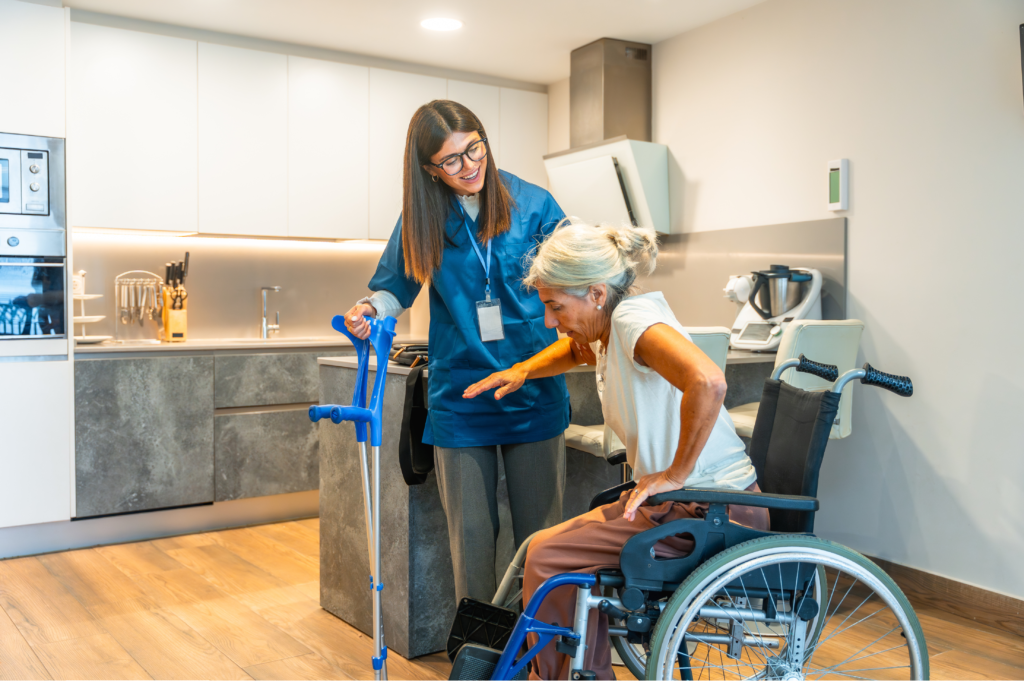
- Mobility Support: Assisting with walking, transferring from bed to a chair, or using mobility aids like walkers or wheelchairs.
These tasks are performed with dignity and respect for the member/client’s privacy and preferences, fostering a sense of autonomy that doesn’t compromise the member/client’s self-worth.
Dignity First Supportive Home Caregivers are charged with being vigilant in monitoring and reporting changes in clients’/members’ health promptly to ensure any emerging issues are addressed promptly by qualified professionals and to ensure clients’ well-being. For example:
- Noticing shifts in mood, appetite, or physical ability.
- Reporting concerns to family members, supervisors, or care coordinators.
- Keeping daily logs of activities or observations, as required.